
At the core of best in class email marketing lies a deep understanding of not just the tools and technologies, but also the strategies that captivate and engage your audience. It’s about mastering the delicate balance between informative content and compelling calls to action. To achieve this, it’s essential to segment your audience meticulously, tailoring messages to meet the specific needs and interests of each group. Personalization is paramount, going beyond the mere inclusion of a recipient’s name, to delivering content that resonates with their individual preferences and behaviors.
Effective email marketing is data-driven, utilizing analytics to refine campaigns continuously. A/B testing, for instance, can reveal invaluable insights into subject lines, email layouts, and the perfect timing for sending out emails to optimize open rates and click-throughs. Moreover, ensuring emails are mobile-friendly is non-negotiable, as a significant portion of users now access their inboxes from smartphones and tablets.
Contact me to Schedule Your Free Discovery Session – Today!
Crafting Compelling Email Content
The art of crafting compelling email content is a critical component of best in class email marketing. It begins with a magnetic subject line, which acts as the gateway to your email. The subject line must be enticing enough to prompt the recipient to open the email, but also honest enough to deliver on its promise. Once opened, the email content should be concise and focused, providing value that is both relevant and useful to the audience.
Storytelling can be a powerful tool in email marketing, as it helps to build a narrative that readers can connect with emotionally. Using a friendly, conversational tone often yields better engagement, as it makes the content more relatable. Visuals also play a crucial role; incorporating high-quality images, infographics, or videos can increase the appeal and retention of your message.
Finally, every email should have a clear call to action, even if it’s as simple as encouraging readers to learn more about a topic. The goal is to guide them towards the next step in the customer journey, whether that is to make a purchase, sign up for a webinar, or follow your brand on social media.
Maximizing Email List Segmentation

Maximizing email list segmentation is a tactical approach that ensures your email campaigns reach the right audience with messages that resonate personally. Segmentation involves dividing your email list into smaller, targeted groups based on specific criteria such as demographics, purchase history, or engagement levels. By tailoring content to meet the distinct needs and interests of each segment, businesses can enhance relevance and foster stronger connections with their subscribers.
To implement effective segmentation, you must first gather ample data on your subscribers. This can be achieved through sign-up forms, customer feedback, and analyzing behavioral patterns. Once you have this information, you can create segments for new subscribers, loyal customers, or those who have shown interest in particular products or services. Advanced strategies might include dynamic content, where emails automatically adapt to include information relevant to individual recipients.
It’s crucial to remember that segmentation is an ongoing process. Regularly reviewing and updating your segments ensures that they remain accurate and effective. This personalization not only improves open and click-through rates but also significantly reduces the likelihood of users unsubscribing, making it a key aspect of best in class email marketing.
Leveraging Automation for Efficiency
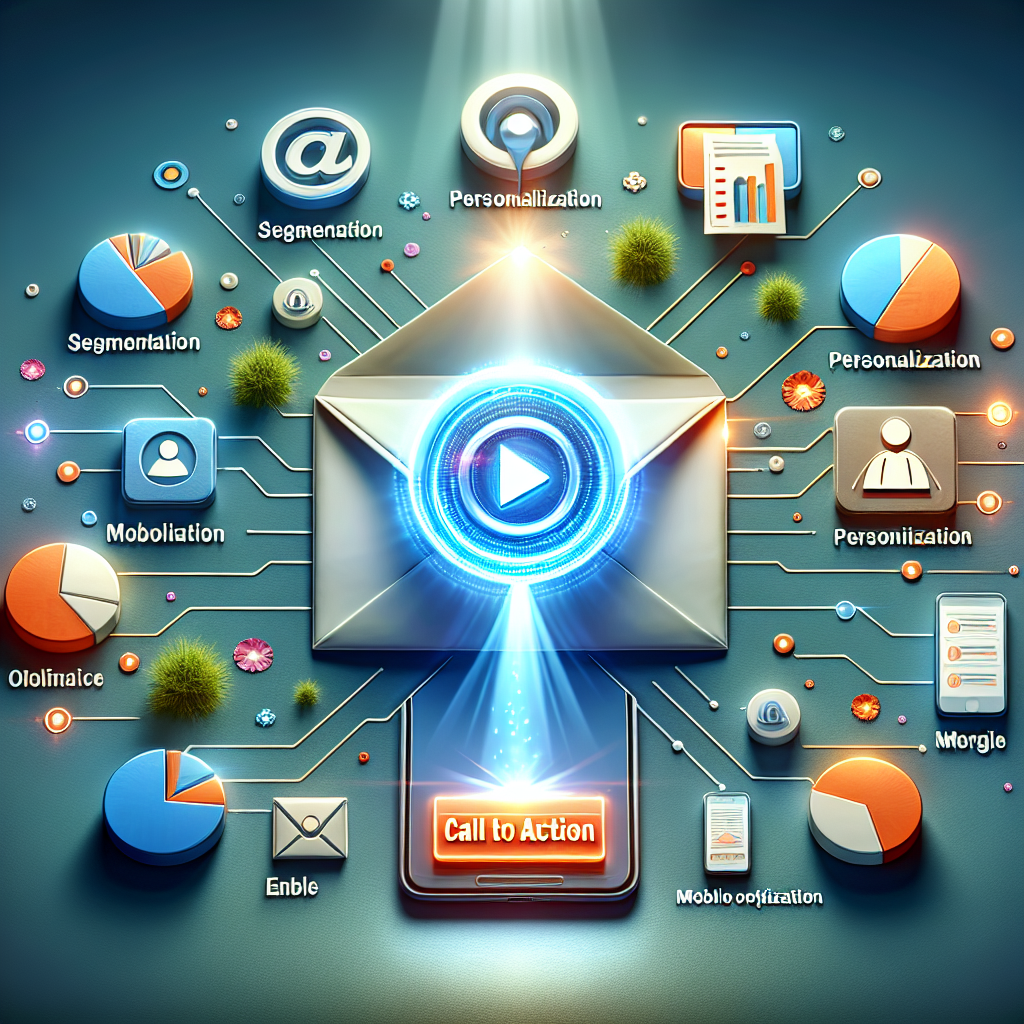
In the realm of best in class email marketing, leveraging automation is akin to setting the sails for a ship and letting the wind carry it forward. Automation tools enable marketers to send timely, relevant emails to subscribers without the need for constant manual intervention. This efficiency not only saves time but also ensures that opportunities for engagement are not missed.
Automation can be applied to various aspects of email marketing, from sending welcome emails to new subscribers to triggering birthday messages with personalized offers. Perhaps the most powerful use of automation is in nurturing leads through drip campaigns. By delivering a series of emails based on user actions, such as downloading a white paper or abandoning a shopping cart, businesses can guide potential customers through the buying journey at a pace that suits each individual.
The key to successful automation lies in the careful planning of the customer journey and understanding the triggers that will move subscribers through the sales funnel. It is vital to ensure that automated emails still feel personal and valuable to the recipient. By doing so, businesses can maintain a human touch while benefiting from the scalability and consistency that automation provides.
Analyzing Email Campaign Performance

Analyzing the performance of email campaigns is crucial in refining best in class email marketing strategies. Metrics such as open rates, click-through rates (CTR), and conversion rates are invaluable indicators of how well an email resonates with its audience. By examining these metrics, marketers gain insights into what content appeals to their audience, what time of day they are most engaged, and which calls to action are most effective.
Advanced analytics go beyond basic metrics, providing a deeper understanding of customer behavior. For instance, heat maps can show where recipients are clicking within an email, and A/B testing can compare the performance of different email versions to determine which elements work best. Furthermore, analyzing the growth rate of an email list, as well as the bounce and unsubscribe rates, can inform the health of an email marketing strategy as a whole.
Equipped with this data, marketers can make informed decisions to optimize future campaigns. Perhaps it’s a matter of tweaking the subject line for better open rates or adjusting the design for more mobile-friendly viewing. Regular analysis can lead to continuous improvement, ensuring that each campaign performs better than the last. In an ever-evolving digital landscape, staying on top of email campaign analytics is not just beneficial; it is essential for sustained success.
Integrating Multichannel Marketing Strategies

To achieve best in class email marketing, integration with multichannel marketing strategies is imperative. This holistic approach ensures that customers have a seamless experience, whether they’re engaging with your brand through email, social media, or any other platform. By coordinating messages across channels, businesses can reinforce their message and increase the likelihood of conversion.
Email marketing can serve as the backbone for this integrated strategy, driving traffic to social media pages or a company website. For instance, exclusive offers can be shared through email and then amplified on social media to reach a broader audience. Additionally, collecting data from various channels can provide a more comprehensive view of consumer behavior and enable more personalized and targeted campaigns.
Remember, integrating multichannel strategies isn’t just about cross-promotion; it’s about creating a cohesive brand experience that resonates with customers wherever they are. By leveraging the strengths of each channel, businesses can create a powerful, unified marketing front that captivates and converts.
Are you ready to elevate your digital marketing campaigns with best in class email marketing and integrated multichannel strategies? Contact me to Schedule Your Free Discovery Session – Today!


