
Sales funnels optimization is a critical process for businesses seeking to maximize their conversion rates and overall revenue. At its core, a sales funnel represents the journey a prospect takes from initial awareness of your brand to becoming a loyal customer. This journey involves several stages, including awareness, interest, consideration, intent, evaluation, and purchase.
However, not all prospects smoothly transition through these stages. That’s where sales funnels optimization comes into play. By fine-tuning each stage of the funnel, businesses can ensure that more prospects move toward making a purchase. This requires an in-depth understanding of customer behavior, strategic content placement, and continuous monitoring and adjustment.
Effective sales funnels optimization involves several key components:
- Identifying bottlenecks – Understanding where prospects drop off can help you address specific issues that hinder conversion.
- Content alignment – Ensuring that the content at each stage resonates with the prospect’s needs and concerns.
- Strategic calls-to-action (CTAs) – Placing compelling CTAs that guide prospects to the next stage of the funnel.
- Data-driven decisions – Leveraging analytics to make informed adjustments and improvements.
By mastering these components, businesses can transform their sales funnels into powerful tools for driving growth. Ready to take your sales funnel to the next level? Contact me to Schedule Your Free Discovery Session – Today!
Understanding Your Target Audience
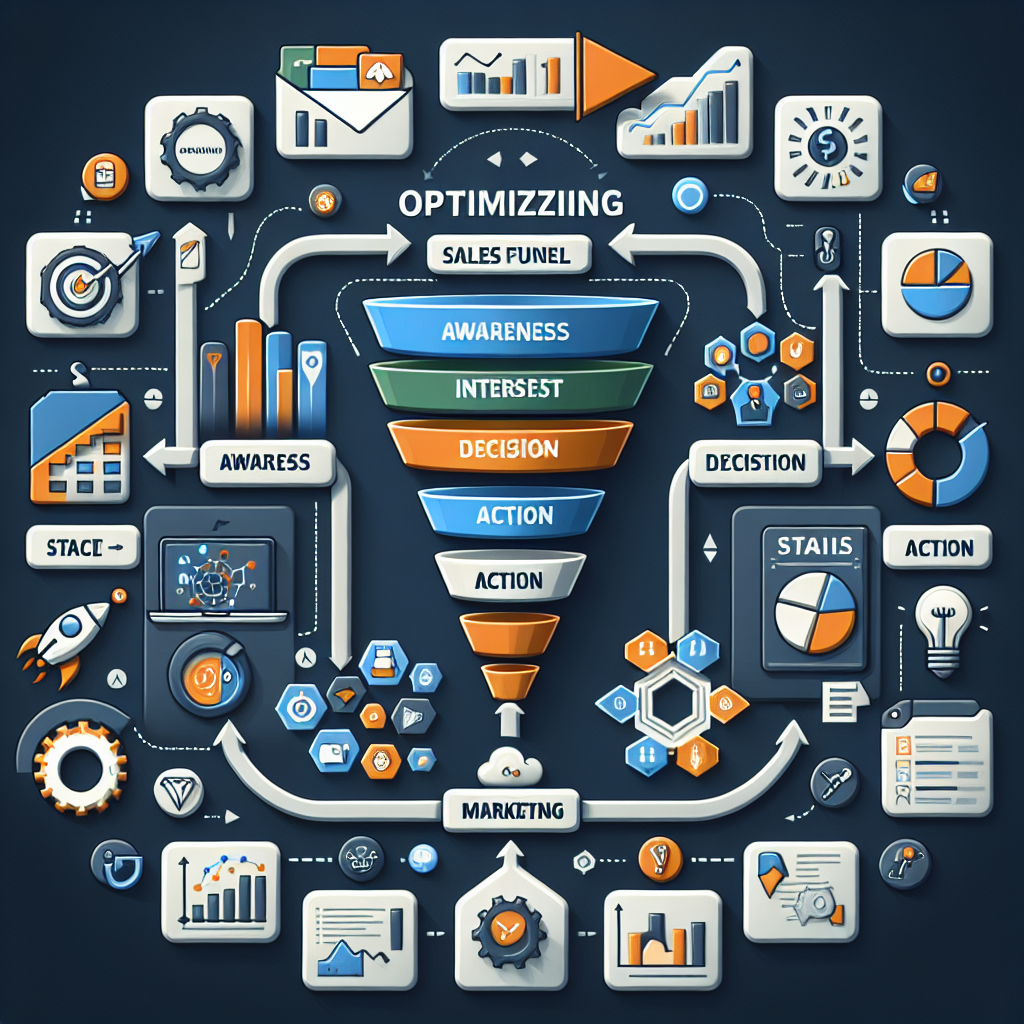
To achieve effective sales funnels optimization, it is essential to have a deep understanding of your target audience. Knowing who your customers are, what they need, and how they behave at different stages of the buying process can significantly enhance your marketing efforts and conversion rates.
Start by creating detailed buyer personas. These are semi-fictional representations of your ideal customers based on market research and real data about your existing customers. Include information such as:
- Demographic details – Age, gender, income level, education, and occupation.
- Psychographic details – Interests, values, attitudes, and lifestyle.
- Behavioral details – Buying behavior, product usage, and customer loyalty.
- Pain points and challenges – Specific problems your product or service can solve.
Analyzing this data helps you to tailor your marketing strategies to meet the specific needs and preferences of your target audience. For instance, if your target audience consists mainly of young professionals, your messaging and channels should align with their tech-savvy nature and fast-paced lifestyle.
Additionally, engage with your audience through surveys, interviews, and social media interactions to gather qualitative insights. This helps you to understand their motivations, fears, and desires on a deeper level, enabling you to create more personalized and effective marketing campaigns.
By thoroughly understanding your target audience, you can ensure that each stage of your sales funnel is optimized to resonate with them, thereby increasing the likelihood of conversion and fostering long-term customer relationships.
Crafting Compelling Lead Magnets

One of the most critical steps in sales funnels optimization is crafting compelling lead magnets. A lead magnet is a valuable resource or incentive offered to potential customers in exchange for their contact information. This strategy not only helps in growing your email list but also attracts high-quality leads who are genuinely interested in your offerings.
To create an effective lead magnet, it must be:
- Valuable: Ensure that the lead magnet provides significant value to your audience. This could be in the form of exclusive content, a free trial, discounts, or educational resources.
- Relevant: Tailor the content to address the specific pain points or needs of your target audience. The more relevant your lead magnet is, the more likely it is to attract qualified leads.
- Specific: A focused and specific lead magnet tends to perform better than a generic one. Narrow down on a particular problem or topic and provide actionable solutions.
- Immediately Accessible: The lead magnet should be easily and instantly accessible upon sign-up. This immediate gratification can enhance the user experience and build trust.
Some popular types of lead magnets include eBooks, whitepapers, checklists, webinars, and free trials. For example, if you are a digital marketing agency, offering a free audit report of a prospect’s current marketing strategy can be an enticing lead magnet.
Moreover, ensure that your lead magnet is prominently displayed on your website, landing pages, and social media channels. Use persuasive copy and clear calls-to-action to encourage visitors to take the desired action.
By crafting compelling lead magnets, you not only capture valuable contact information but also establish your authority and credibility in your industry. This sets the stage for nurturing these leads through your sales funnel, ultimately driving higher conversions and revenue.
Designing Effective Landing Pages

Designing effective landing pages is a cornerstone of successful sales funnels optimization. A well-crafted landing page serves as the gateway to converting visitors into leads. It is where potential customers make the critical decision to engage with your brand further or leave. Therefore, optimizing this page for maximum impact is essential.
Here are some key elements to consider when designing your landing page:
- Clear and Compelling Headline: Your headline is the first thing visitors see. It should be clear, concise, and convey the unique value proposition of your offer. Aim to capture attention within seconds.
- Engaging Visuals: Use high-quality images, videos, or graphics that are relevant to your offer. Visuals can help convey your message more effectively and keep visitors engaged.
- Concise and Persuasive Copy: The copy on your landing page should be straightforward and focused on the benefits of your offer. Use bullet points to highlight key features and keep paragraphs short.
- Strong Call-to-Action (CTA): Your CTA should stand out and guide visitors on what to do next. Use action-oriented language and make sure the button is prominently placed and easy to find.
- Minimal Distractions: A landing page should be free of unnecessary elements that could distract visitors. Remove navigation bars and external links to keep the focus on the conversion goal.
- Trust Elements: Include testimonials, reviews, or trust badges to build credibility and reassure visitors of the value and safety of your offer.
Additionally, A/B testing different elements of your landing page can provide valuable insights into what works best for your audience. Experiment with different headlines, images, copy, and CTAs to find the optimal combination for conversions.
Remember, the goal of your landing page is to convert visitors into leads or customers. By focusing on clarity, relevance, and user experience, you can design landing pages that effectively drive action and contribute to the overall success of your sales funnel.
Implementing Strong Call-to-Actions
One of the most critical aspects of sales funnels optimization is implementing strong call-to-actions (CTAs). A well-placed and compelling CTA can significantly influence a visitor’s decision to take the next step in your funnel, whether it’s signing up for a newsletter, downloading a resource, or making a purchase.
Here are some strategies to create effective CTAs:
- Use Action-Oriented Language: Your CTA should clearly communicate what action you want the visitor to take. Use verbs like “Download,” “Sign Up,” “Get Started,” or “Buy Now” to create a sense of urgency and prompt immediate action.
- Make it Visually Appealing: The design of your CTA button should make it stand out on the page. Use contrasting colors, bold fonts, and sufficient white space around the button to draw attention.
- Position Strategically: Place your CTA in a location where it is easily visible and accessible. Common placements include above the fold, at the end of a landing page, or within a compelling section of content.
- Highlight the Value Proposition: Clearly articulate the benefits of taking the action. For example, instead of a generic “Submit” button, use “Get My Free Ebook” to emphasize what the visitor will gain.
- Test and Optimize: Regularly test different variations of your CTAs to see which ones perform best. Experiment with different text, colors, sizes, and placements to maximize conversions.
- Create a Sense of Urgency: Incorporate elements that create urgency, such as limited-time offers or exclusive deals, to encourage immediate action.
- Ensure Mobile Friendliness: With a significant portion of users accessing content through mobile devices, make sure your CTAs are easily clickable and visible on smaller screens.
By focusing on these strategies, you can create CTAs that not only grab attention but also drive meaningful engagement and conversions. Remember, the ultimate goal of a CTA is to guide the visitor seamlessly to the next stage of your sales funnel, thereby contributing to the overall success of your digital marketing efforts.
Analyzing and Refining Your Funnel
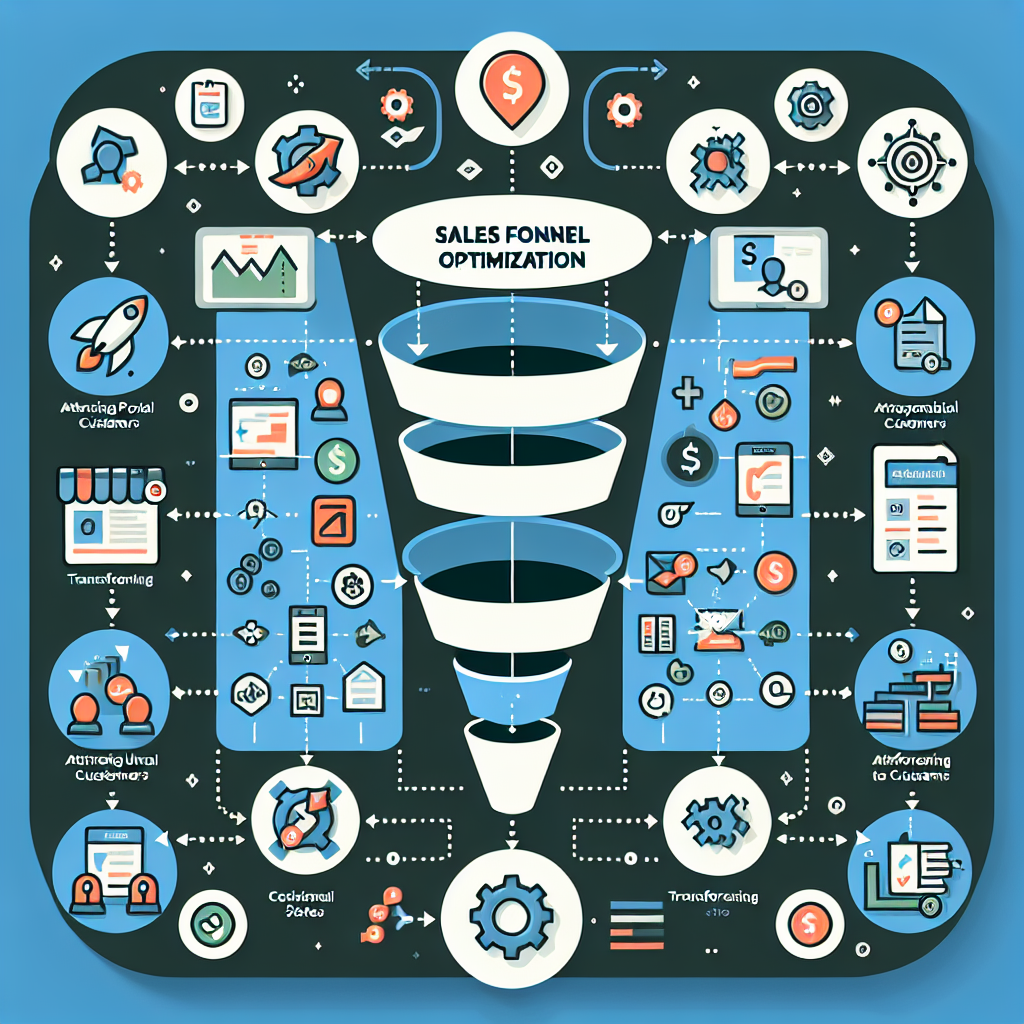
After implementing your sales funnel, the work doesn’t stop there. A key part of sales funnels optimization is continuously analyzing and refining your funnel to ensure it performs at its best. This ongoing process helps you identify areas of improvement and adapt to changing market dynamics.
Here are some essential steps to analyze and refine your funnel:
- Track Key Metrics: Use analytics tools to monitor important metrics such as conversion rates, bounce rates, and average time spent on each stage of the funnel. These insights will help you understand where potential customers are dropping off and where they are engaging the most.
- Identify Bottlenecks: Pinpoint stages in your funnel that are experiencing high drop-off rates. These bottlenecks indicate areas where improvements are needed, whether in the messaging, design, or overall user experience.
- A/B Testing: Regularly conduct A/B tests on different elements of your funnel, such as headlines, images, CTAs, and landing page layouts. This will help you determine which variations perform better and make data-driven decisions for optimization.
- Gather Customer Feedback: Direct feedback from customers can provide valuable insights into their experience with your funnel. Use surveys, feedback forms, or direct interviews to understand their pain points and preferences.
- Analyze Competitors: Keep an eye on your competitors’ funnels. Analyzing their strategies can provide inspiration and reveal industry trends that you might want to incorporate into your own funnel.
- Implement Changes Gradually: When making changes to your funnel, do so incrementally. This approach allows you to measure the impact of each change accurately and avoid overwhelming your audience with too many modifications at once.
- Review and Adjust Regularly: Set up a schedule to review your funnel’s performance regularly. Monthly or quarterly reviews can help you stay on top of any issues and ensure your funnel continues to perform optimally.
Analyzing and refining your sales funnel is a continuous process that requires attention and dedication. By following these steps, you can ensure your funnel remains effective and continues to drive conversions. Remember, the more you fine-tune your funnel, the better your results will be.
Contact me to Schedule Your Free Discovery Session – Today!